Tuesday, October 07, 2014

A day out with friends, old an new

This past Sunday, we had a local bushcraft meet at a state park. There are several held throughout the year, but my schedule rotates, so I don't get to attend all of them. I did, however, get to attend this one, and its my 3rd or 4th since joining the online Bushcraft forum (www.bushcraftusa.com). It was a great day-not too warm, sunny, essentially, perfect weather. There was, as usual, a TON of food there, some of the more noteable dishes were "tiger chicken", a sweet, teriyaki style chicken grilled over coals, venison stew-more need to be said???, homemade meatloaf, various homemade breads, some desserts cooked either over coals, or in a "hobo oven". We also had a trade blanket, where people could bring things they wish to sell or trade, and had quite a few homemade goods, as well as some nice sharps. I myself bought a lovely firesteel, that I will post a pic of later (I didn't take one of it yet, sorry).
We also held several classes: one on figure 4 deadfalls, one on making a Roycroft pack, one on day pack items, and a couple on fishing-I demonstrated Tenkara fishing, and a fellow forumite demonstrated European style fishing.
All in all, it was a fantastic day out with friends. Ate well, shared knowledge, gained knowledge, bought gear, sold gear, and generally had a great time.
And, here are some pics of the day:


Friday, September 19, 2014

Playing with fire!!

Yesterday I went out for, what I THOUGHT, was going to be a short 2 mile hike, 1 in, 1 out, to play around with a couple stoves. I recently picked up a Svea123R off Ebay for $35. The person selling it said that it was an incomplete set, as it didn't come with the cleaning needle. If you aren't familiar with this type of stove, there were 2 models: the original 123, which was sold with a cleaning needle tool, and the 123R, which replaced it sometime in the 70s, I believe, and had the integral needle. The easiest way to identify the two models is that the older one has a control key that looks like a standard key, and the newer model has a control key with cutouts of the bolts that hold the stove together, so that it doubles as a maintenance tool. Also, on the older model stove, the control stem angles down at 45 degrees, and the newer one comes straight out.
Looking at it online, I assumed this person didn't know the difference, as, even a USED 123R goes for about $50. So, anyway, I took a chance, thinking that, even if the needle WAS broken, I could by the part, and still save money.
Well, come to find out, it was, in fact, the newer model and, sure as hell, the needle worked! So, I picked up a fantastic stove, for a fantastic price!
Anyway, so, I decided yesterday that I wanted to go try it out. I hiked into my local woods about a mile. A place I have been many, many times before. A nice place by a local pond, with a fantastic lunch view. I took a couple pics of my stoves in action, and will attach them below. I still prefer my solo wood gasifier stove, as, in New England, I am never without fuel. The Svea will accompany me on winter trips though, for sure.
So, as to the hike. I STARTED to go back the way I came. Then, I came across a trail I'd never been on before. So, I figured, what the hell, lets see where this goes. Then, another trail. I'm not quite sure how big the town forest is, square acreage wise, but I know that there are 27 miles of trails in the forest that wind back & forth, connecting one with another. Needless to say, by the time I figured out exactly where I was, I figured I was about the farthest away I possibly could be from my jeep, about 2 miles straight line. 3 miles by trail. I had about 2 hours of daylight left, and figured I'd be cutting it close. So, I set to it. And, obviously, made it. I also wanted to give my (fairly) new moccasins a good trial in the woods. Not a 7 mile trial, but, initially, a 2 mile, give or take. Well, after 7 miles, I can attest that the moccasins held up just fine. My feet, on the other hand, are still in tenderfoot mode. They were SORE-largely because they simply aren't used to that long of a walk, without any sort of unnatural support. My guess is, over time, my feet will adjust. It will just take some time. Anyway, I managed to take a couple of pictures while I was out-stove shots, gear, and a couple of interesting trees and burls on my wanderings.
 First shot is the Svea123R. The pot is a Solo Stove pot, which has nice markings on the side-stamped-showing ounces:
 
Next up is my usual Solo stove, doing its thing:
 
Next up, obligatory pipe and coffee shot (this is a Dr Grabow pipe-I call it my Wanderer pipe):
 
An interesting burl I saw on my walk (notice the termite dust):
 
A cluster of mushrooms I haven't identified (I know nothing about mushrooms):
 
 
FINALLY the road home!
 

Saturday, September 13, 2014

An evening on the Nissitissit

Just a quick post. Yesterday afternoon, I decided to go out for a little fly fishing at a local river that I frequent. Its one of the local hot spots for native brookies, and, when they stock upriver, other species as well. I got there about 5, as the evening sun was setting. First thing I noticed was that the river was VERY silty. This is vastly different from the last time I was here, a couple months ago. Not sure where this is depositing from, but the normally rocky bottom had a fair amount of sediment. Second, there is a bridge that is fished heavily, as the water is (normally) deep & fast there, and there is shelter, all ideal for trout. However, there is now a debris dam directly under the bridge. I was unable to discern whether this was naturally occurring (from drift farther upstream), or if it was beaver activity in the area. Beavers are prevalent along this corridor, but, I didn't spot a lodge anywhere nearby. This could be the cause of the sediment buildup on the upstream part though. State law prohibits tearing these down, if it is a dam. This river is fairly well used though, and the Squanatissit chapter of Trout Unlimited undoubtedly knows of it, and, hopefully, are looking into ways of removing it, if its a beaver dam. If its simply debris, a weekend out removing it will restore the normal flow.
Anyway, I seized on the opportunity to fish the downside of the dam, as I figured there'd be a couple of brookies hanging out. And, I was right! I was using my Cabelas 8.5' 5 weight rod, and a #14 caddis. I managed to catch 2 brookies, both of about 6" or so, and managed to get a pic of 1:

As usual, I let the little guy go. I watched the sun set over the river, and called it a day. Even though I was only out for an hour, it was certainly worth it. A fitting close to the end of my weekend (which rotates weekly).

Wednesday, September 10, 2014

A day out on the canoe

I recently spent a couple hours out on the water with my Old town 119. My intent is to become a decent canoe paddler. Most casual canoers, at least in my area, know little about paddle selection, water reading-or, sadly, even paddling, beyond putting the blade in the water the correct way.
I am planning a couple of solo trips next year, so I really want to get some techniques (and gear) ironed out. Specifically, I was practicing my J stroke-which is the stroke you really want to use when solo canoeing, as its less tiresome, and you don't switch sides-meaning less water in the canoe. I also worked a little on sweeps, draws, and TRIED sculling-but, the current seat in my canoe doesn't really allow for me to kneel. But, I am putting a new seat into it this week, so that problem should be resolved shortly.
Anyway, I took a few pics from the outing. Nothing to really report, other than, with the right paddle, paddling a canoe solo is a dream, and requires very little effort!

First up, this is how I had to portage. The canoe is too small for a yoke, and the seat sits too far back and too low to rest on my shoulders, so I used this idea (not my original-borrowed from a canoe site) to portage it. The canoe is light enough to carry on a shoulder short distances, but not for anything significant.


Here she is, all packed and ready to go!


A beautiful day on the lake:


One of the several islands on the lake:


Nice reflection of the clouds:


Another nice shot from the canoe:


Beaver dam:


Water lily-sometimes, I come out here, and there are a LOT in bloom-to the point it looks like a snow field:


A blue heron-oddly, not afraid of me in the least. As he heard me coming, he came crashing out of the woods-then proceeded to have a lunch of frogs:

Monday, August 11, 2014

Seattle trip!

The wife and I just returned from our first official vacation together. We went to Washington, where my brother lives, and stayed the week. While there, we visited Mount Rainier, Seattle, Whidbey Island, and Olympia. We did quite a bit of walking around, sightseeing, and exploring. My wife had never been there before, so she was excited to go. The weather was gorgeous the whole week-daytime temps hovered around 85, with night time dipping into the 60s. I took about 300 pics, but I will only share a few here, to spare you :). FYI, the moccasins were very comfy-but, my feet need to adjust to wearing them-they get sore after about an hour of constant wear. This will, of course, disappear with more wear. Anyway, a few pics of our trip (and, yes, I found sasquatch!!):


Friday, August 01, 2014

On minimalist footwear

A couple years ago, the (in)famous Vibram 5 fingers came out, and they were the latest, greatest thing for your feet. Ultralight, ergonomic, with many health claims (which, ultimately, they were sued over, and lost). Though this may not have been the first induction into ultralight footwear, it was the latest, and kind of brought the whole ultralight footwear movement out into the open. Well, I call shenanigans on it all.
We, as a species, seem to like to reinvent things we had previously mastered. Most famously, plumbing. The ancients had it, yet, with the decline of the Greeks and Romans, suddenly, we became the unwashed masses again. And remained that way for roughly 1400 years (or more, in many cases). Then, in the late 1800s-suddenly, someone came up with plumbing again! And clean water!!! Well, footwear seems to have taken that same road.
DISCLAIMER: This is all based on MY PERSONAL OPINIONS AND OBSERVATIONS, so, I may not agree with you, or you me, or, I could be completely wrong. Its been known to happen :).
Ancient cultures, as a rule, went around either barefoot, or with a simple sandal like basic type of footwear. These were thin, and easily resoled, so that soldiers (militaries marched on their feet so, by necessity, they were always at the forefront of footwear) could easily fix them in the field. Sandals worn by ancient cultures consisted of woven plant fiber (egyptians used palm and papyrus), leather (egyptians, romans, and greek all wore a sort of leather sandal), and leather boots/shoes (celtic peoples and American Indians). Of course, many of these cultures, if not all, were found to have walked around barefoot too-many, their entire lives. But, as we're discussing footwear, rather than a lack of, we will concentrate on that.
Simple leather sandals, spanning the ancient cultures, all had a couple things in common. Firstly, they obviously protected the bottoms of the feet. Second, they were thin, which allowed for a certain amount of flexibility. Third, they were generally lightweight. An old adage is, an ounce on your foot equals a pound on your back. A 20 mile march was common for a days walk for a Roman soldier-lightweight, durable footwear would be welcome! Third, most were easily repairable, or easily reproduced in the field.
Thin soled, leather crafted footwear was de rigeur for hundreds of years.
Then, man began climbing mountains. A need for a rugged,stiff soled boot was needed. I didnt do too much digging, but it looks like the Brits and the National Geographic Society spoke of heavy treaded boots in the 1800s. So, I will go with that, as a generalization. The advantages of these: the offer a solid platform for the foot on uneven (And rocky) terrain. They are heavy enough to withstand abuse. The disadvantages: they are heavy and inflexible. However, this model of boot was the go to model up until fairly recently. True, there were always people who hiked in sneakers (we will stick to hiking here), and even barefoot. But, the norm was the full leather upper, midweight to heavyweight hiking boot. These provided stability for the ankles on uneven terrain. However, they also caused, and/or aggravated, plantar faciitis-a painful affliction of the foot.
Then came the advent of lightweight hikers. Essentially, trail runners that were above the ankle. These were made from lighter material, reducing weight, and giving the foot more flex. People also began to simply wear running shoes, or even trail runners. These days, you will see a mix of what people wear out there-from standard midweight boots, lightweight boots, trail runners, sneakers, weird inventions like the 5 fingers, moccasins, and, on occasion, barefoot. Which brings me, in a roundabout way, to what I was getting at.
Moccasins. Yes, moccasins. Not the kind you find in a box store, or order from amazon. Those are made in China, and need to be replaced every couple years-even if they are never worn outside! No, there are several companies that make QUALITY outdoor mocs, ones you can wear outside, year round, and will last you a lifetime. Some of the quality makers are Russell, Carl Dyers, and Arrow. Mocs give the wearer some advantages: the foot is allowed to flex naturally; the quality ones mold to your feet, allowing for a custom fit; they are thick and waterproof; they allow you to feel the ground you're walking on-great for stalk hunting.
I chose to pick up a pair of the Arrow mocassins today. I got the lace boot model. As I JUST picked them up today, I will give my initial impressions, then revisit them in a month or so, after some real wear.
First, the cost. These cost me $179. The shop is 1/2 hour from me, so I simply called them up, and went down there (they have several sizes stocked in their shop). When you think about it, $179 for a pair of shoes you will  never replace is a steal. One customer has had the same pair for 25 years. In the event you wear through the sole (I got the double sole, as I will be wearing these a lot in the woods), you can send them back to get them replaced for $60. People spend $200 (easily) on hiking boots-that are worn only for hiking. And, they need to be replaced every few years, depending on usage.
These mocs are made of 1/4" english tanned swiss leather. The soles, in my case, are doubled-but you can get a single soled boot too. Mocs can be HOT. They are leather, after all. These are designed to be worn with socks, but feel free to wear them without. My initial impressions are that they are very flexible, and allow for a great feeling of the ground. I went and shot some 3D archery shoots today, that is a little traipse through the woods. These things were awesome. Almost silent, without trying. Keep in mind, there is no tread-they are simply leather bottoms.
I will write up a more thorough review of them when I've worn them for a while but, for now, I'm impressed. I'm heading to WA for a vacation for a week, starting this Sunday, so we will see how they fare out there.
Mocs, and huaraches (a mexican sandal) are making a comeback in the hiking world. Despite all the marketing hype of space age materials, water proofness, bouncy heel cushions, etc-it seems the old ways are being rediscovered. And I, for one, am excited to be a part of that!
I took a couple pics of my new mocs. It will be interesting to see the difference in a month!!!



Sunday, July 27, 2014

Friday hike with my nephew

This past Friday, I went on a little hike with my 13 year old nephew Joey. He (or, more accurately, his mom) sent me some pics of a shelter he built himself, and was looking for some tips. Instead of tips, I opted to take him out for a day hike on my day off. I decided on the High Ridge wildlife management area located in Westminster (map can be found here). Its close to him, and is a nice area for walks.
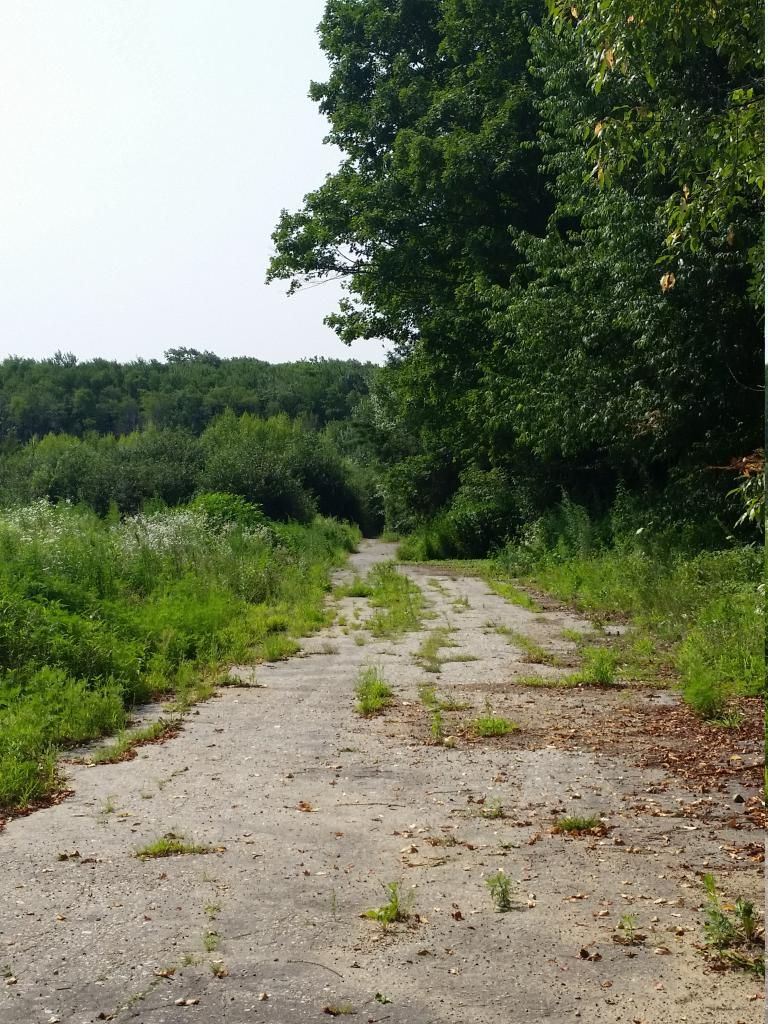
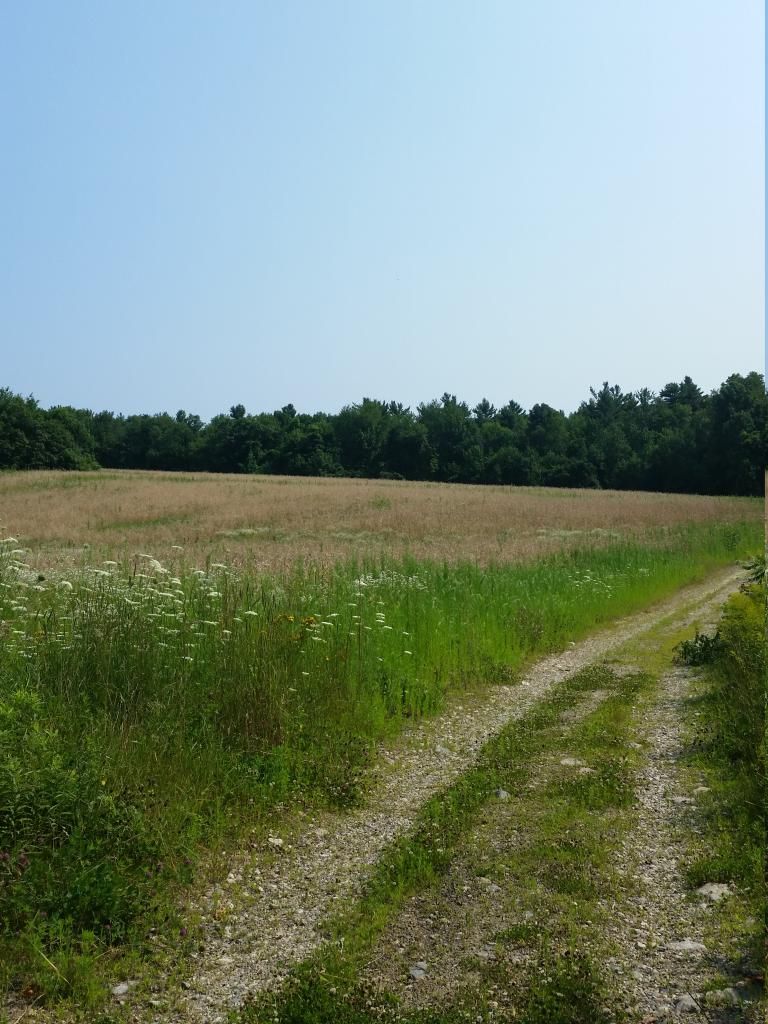
A little history on the area. The entire area was a working farm community for the mentally ill, until 1975, when they went from a cottage community for the mentally ill, to incarceration (this link is the best I could find on the actual history). The entire area, which is located behind the Gardner State Prison, is approximately 2000 acres of multi use land, which, at times, has been used for agriculture, but, when we were out there, the fields don't look as they've been used in several years (there is various vegetation growing in them, to include several saplings). The area can be used for hunting, and is popular with dog walkers as well, as there is a semblance of roads still remaining.
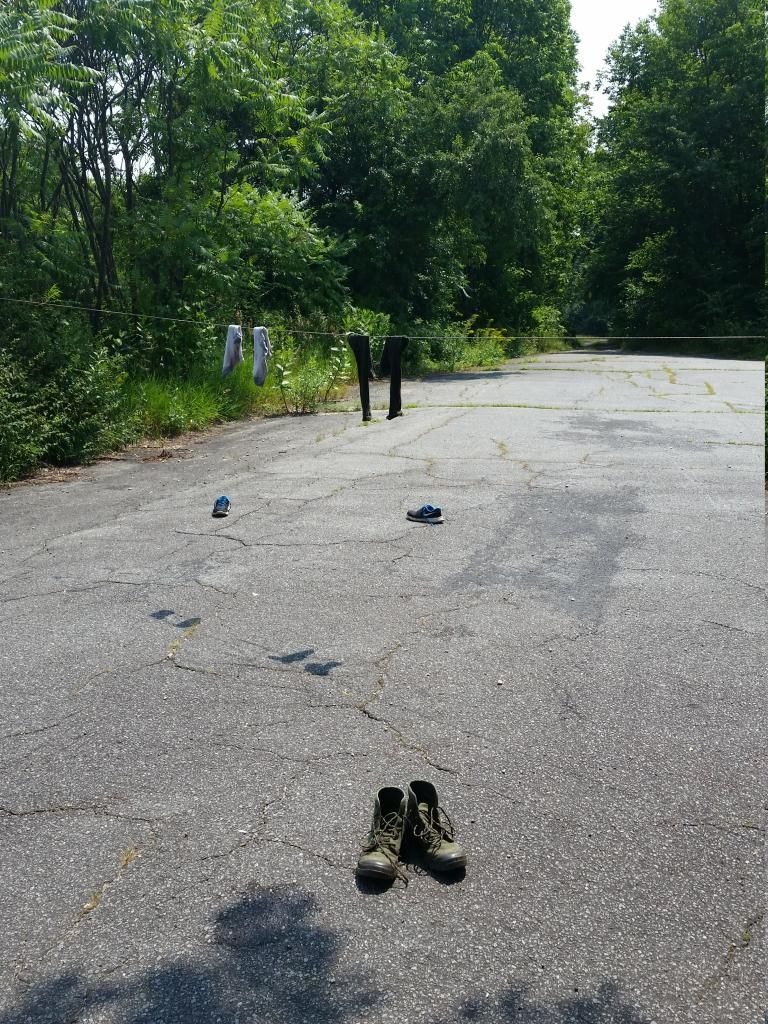
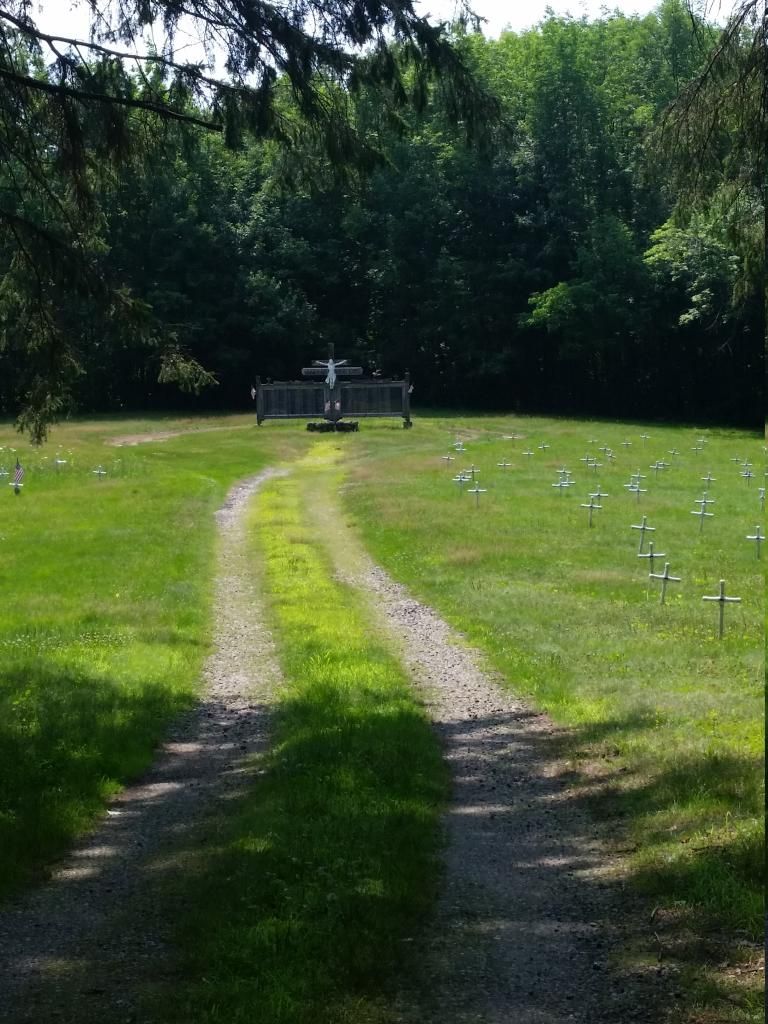
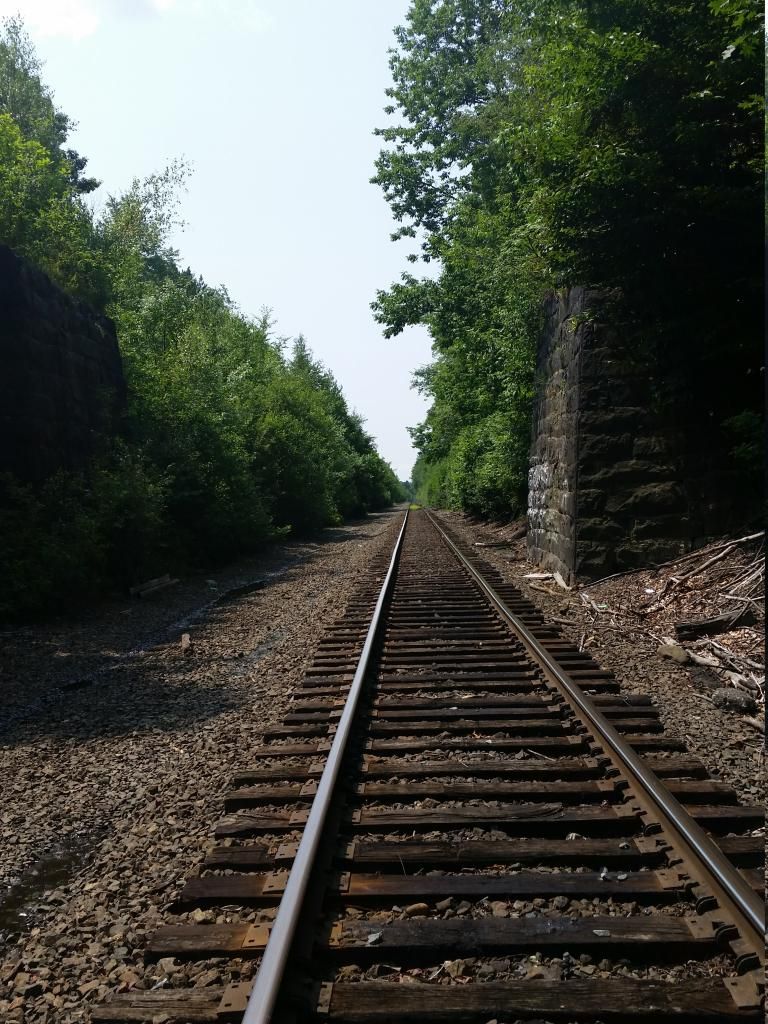
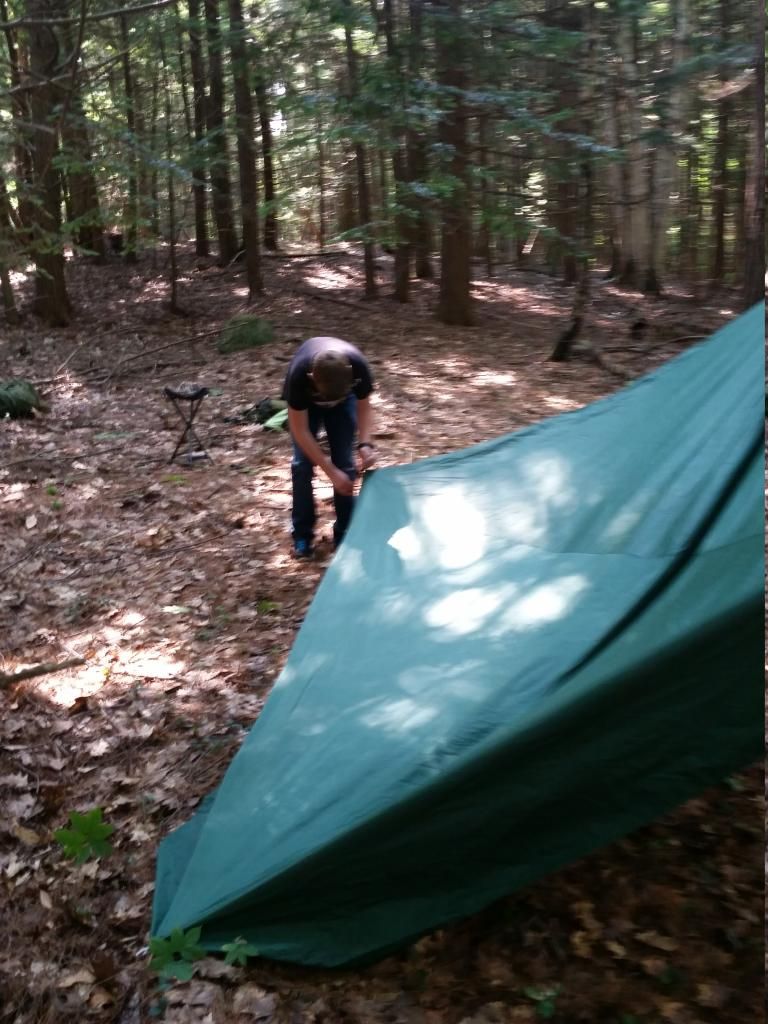
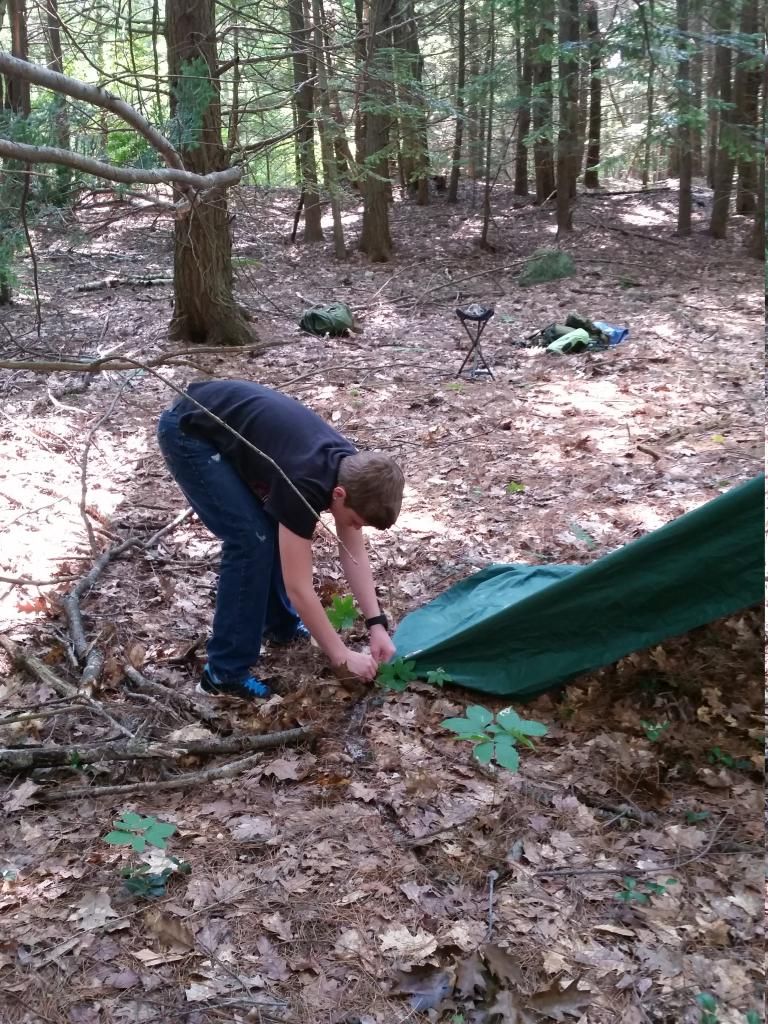
We had a good time, I showed him a couple knots to learn, and we worked on setting up a tarp in a couple different configurations. The entire area is separated by a rail line that runs roughly north to south. We stayed almost entirely on the western side, only crossing the tracks to check out the abandoned cemetery (and dry our socks).
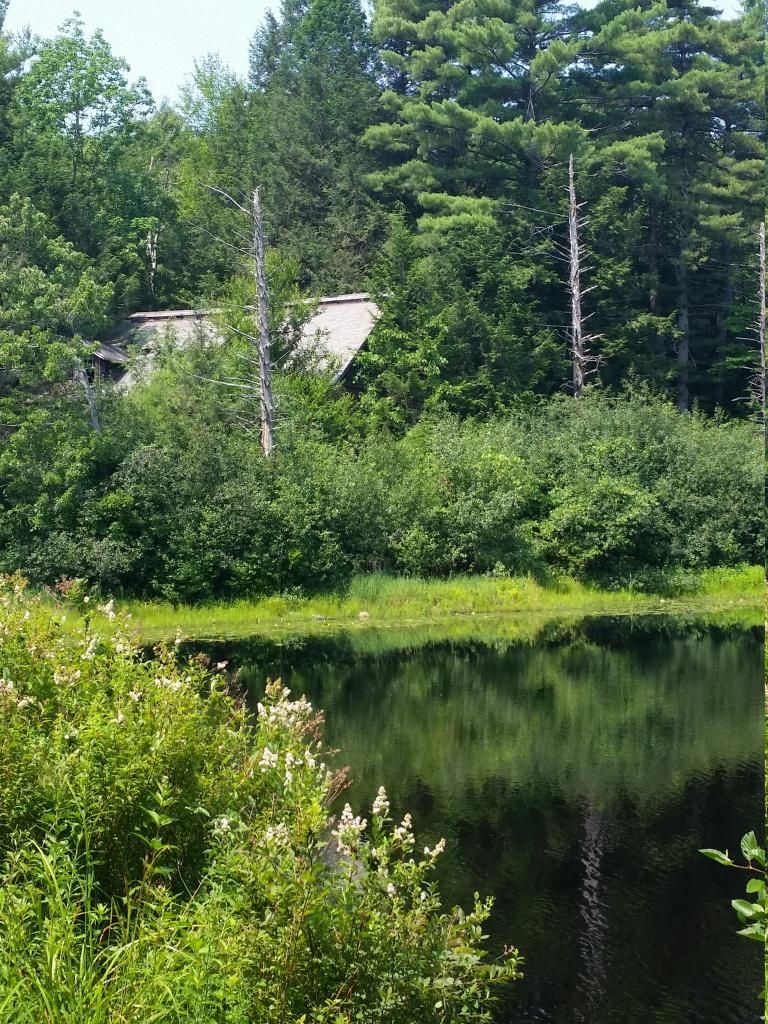
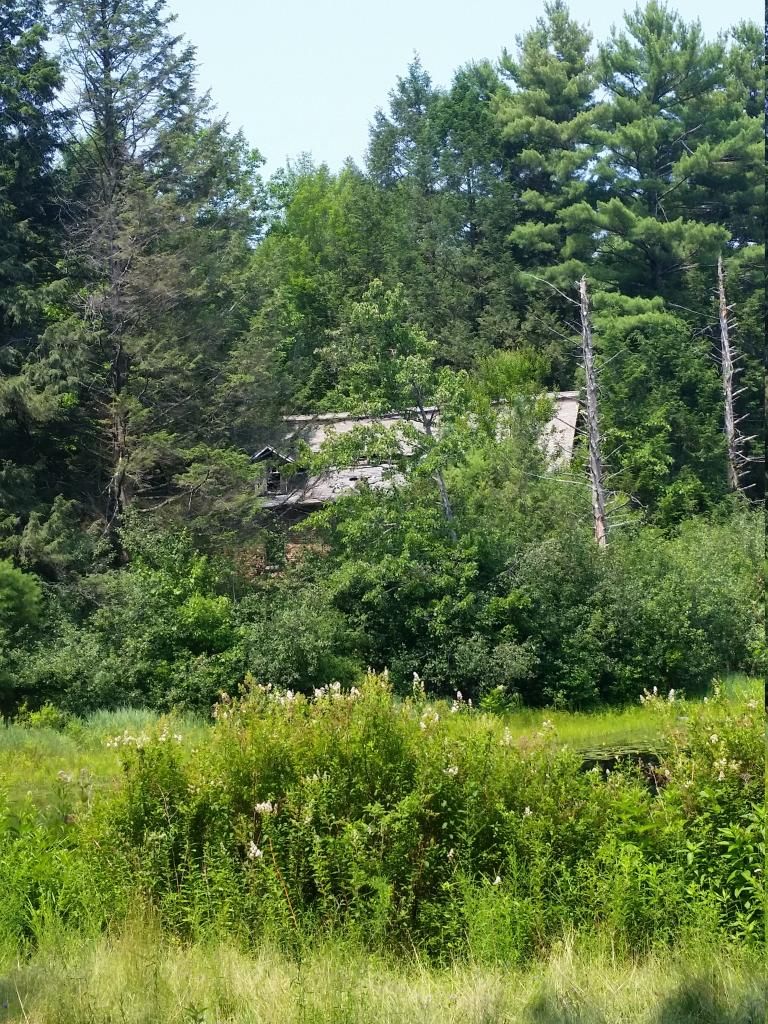
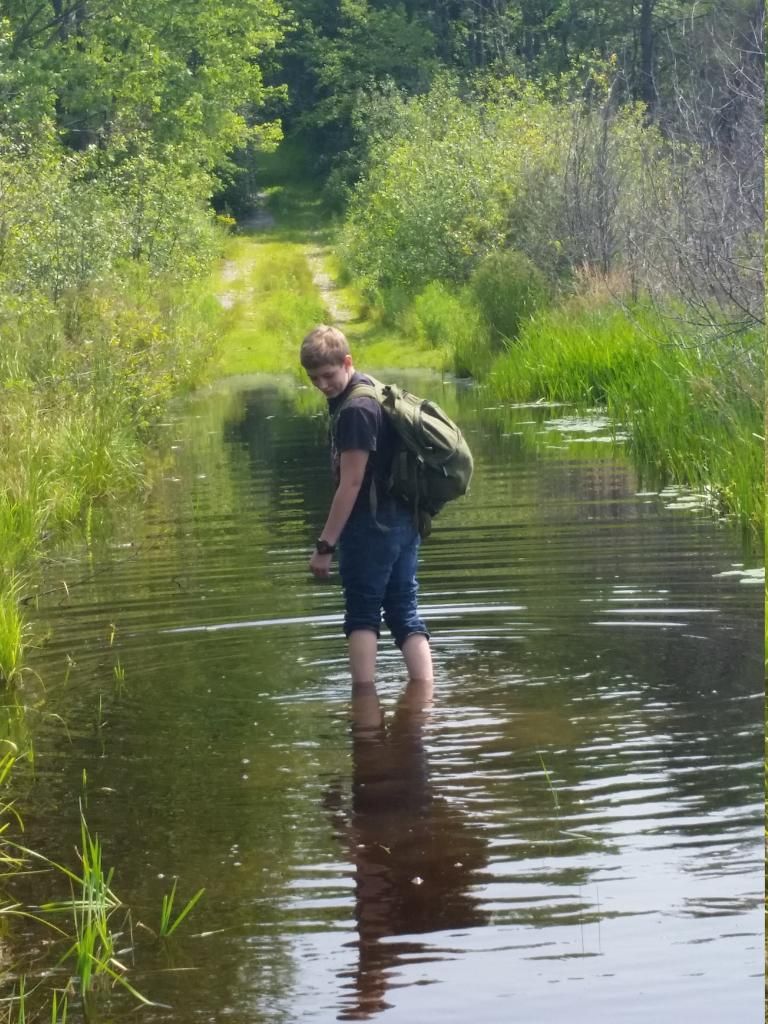
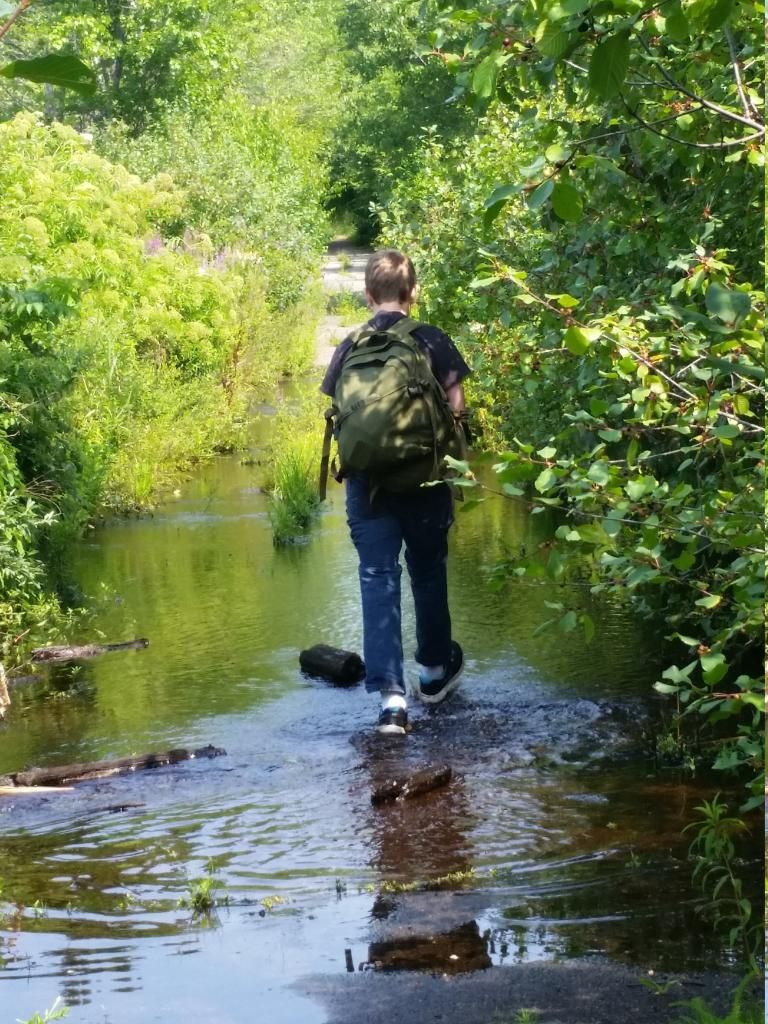
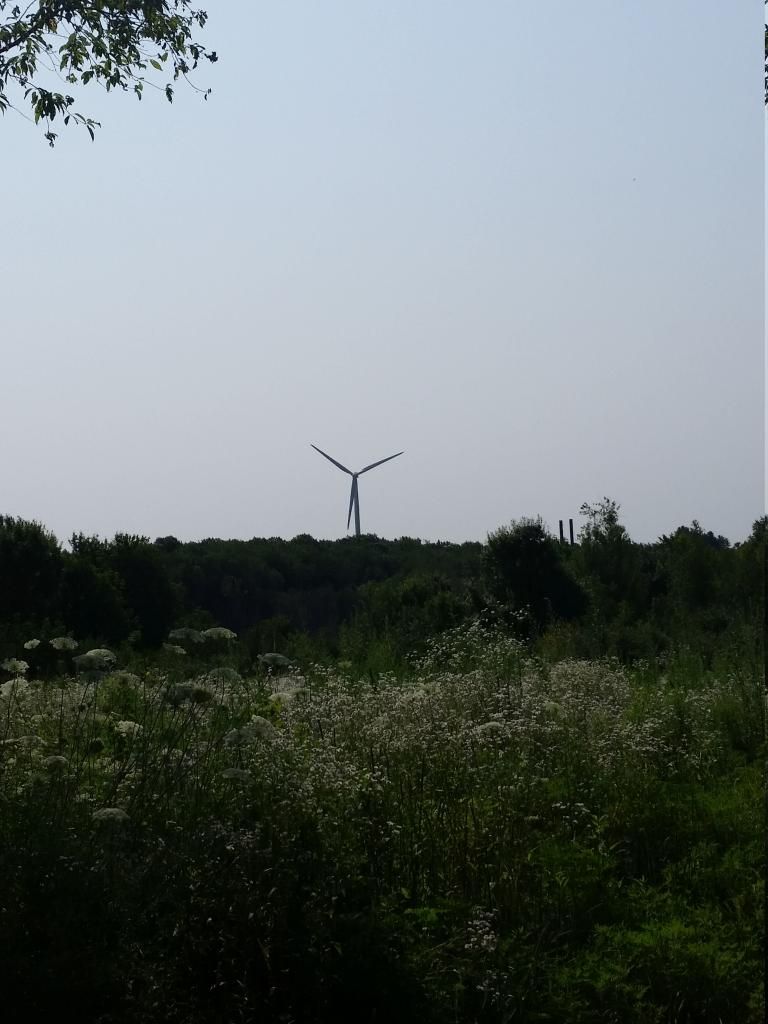
Below, you will find some pics, and a short video I did of us crossing the flooded road (on our way back). This entire WMA is an amazing place to visit, and, even though there are scant entries found online regarding it, the history is pretty interesting. Massachusetts was famous for abuse of its mentally ill (just check out http://en.wikipedia.org/wiki/Titicut_Follies, which was typical for how they were treated here), so its no surprise there is little documentation. Most of the buildings are gone now, the few that remain are not safe to enter, and posted with signs. Enjoy the pics!